sonido13
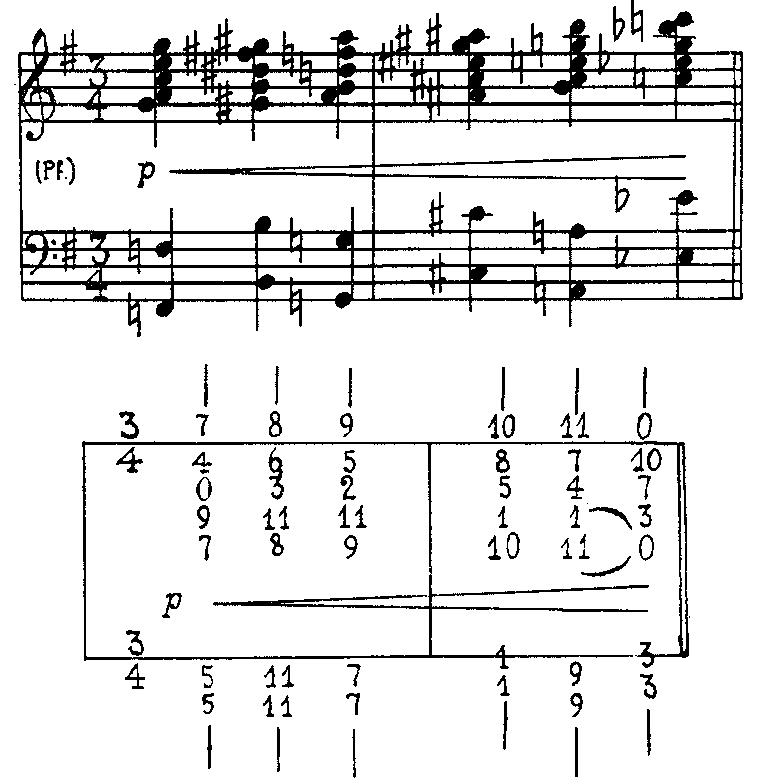
short excerpt of bonita transcribed in sonido 13 notation. from sonido13.com
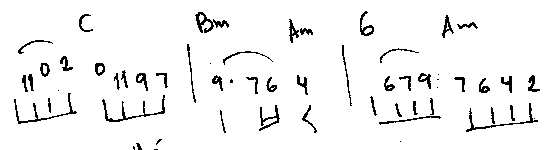
sonido13 is a music theory system developed by the mexican microtonal composer julián carillo. this doc covers his system of notation, which i think is useful and cool.
see sonido13.com for more info (nueva escritura musical)
pitch
the largest reform in the system is the stave, and how pitch is written. each note in an octave is represented by a number.
uses numbers 0 - (n-1) where n is equal divisions of the octave
12tone scale is 0=C to 11=B, each number representing a semitone
can use modular add/sub to move intervals within or across octaves.
this notation means that intervals transparent:
0 2 4 5 7 9 11 0 is the C major scale
2 3 5 7 8 10 0 2 is D locrian.
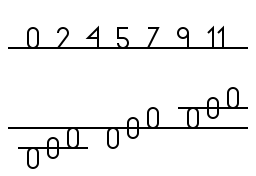
the system is designed to be written on plain lined paper. you position notes around one center line and a ledger line each side to write notes in different octaves.
below bottom ledger line is c0, on bottom ledger line is c1, above bottom ledger line is c2
below mid line is c3, on mid line is c4, above mid line is c5
below top ledger line is c6, on top ledger line is c7, above top ledger line is c8
NOTE in traditional notation there is no difference between below center line and above bottom ledger line, and no difference between above center line and below top ledger line. but here the ledger line added under/on top of notes in spaces below/above center line moves it an octave in either direction. this allows 9 octaves to be written with one line and ledger lines, compressed.
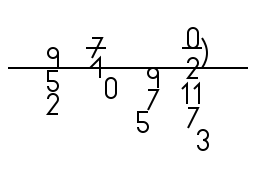
harmonies or chords are indicated by a vertical stack of notes. the top one is written in place in the octave it belongs to, and all octaves of notes below it are just the next time they appear below the top note. if it is not just the next time a note appears below, and you wish to jump an octave or more: >1 octave below place it to right of stack stem goes below this right pos, >2 octaves place to left of stack stem goes below upper stack, >3 octaves rarely so write in place in octave is in and join to rest of stack with a curved line.
duration and articulation
duration is written with normal conventions: binary divisions brieve, semibreve/whole, minim/half, crotchet/quarter, quaver/eighth, 16th 32nd 64th. EXCEPT that only difference is minim, since have no notehead, is represented by a wide arrow like stem (<) but same height as stem of other notes. like with quavers, it faces same way l/r above or below the noteheads. triplets/tuplets as number meaning division of one higher into n. dotted notes etc, accents, are same.
ties/slurs are written as usual, in chords make sure to link between notes that move into eachother. rests are the same, docs use a backwards quaver rest for crotchet rest.
note stems are like regular stems so if above centerline stem is below head, if note is below center octave stem is above head, if on stem is below or can choose
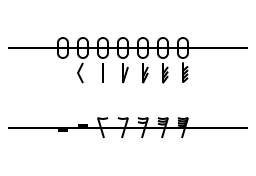
quick example
an example of a composition by ravel transcribed to the new system by carillo. from the website linked at the top of this document (sonido13.com).